
Service
Appendix Surgery
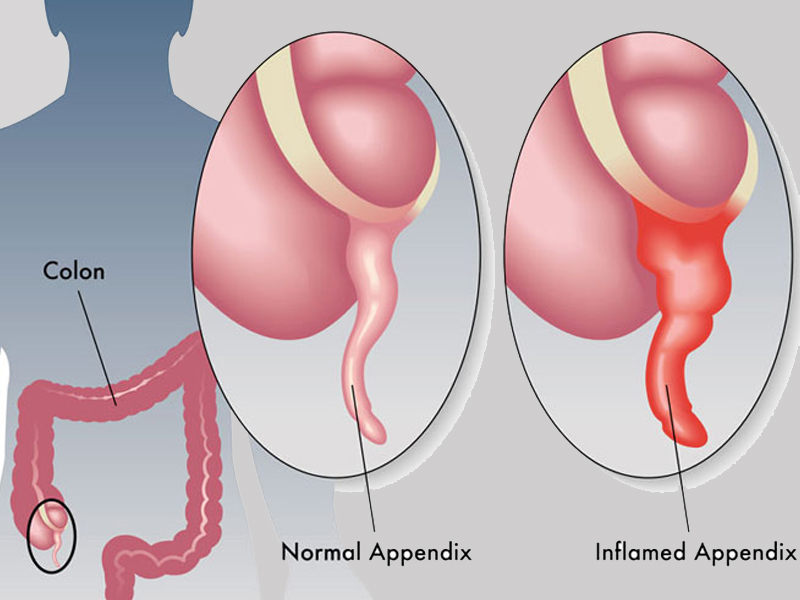
Appendix surgery, also known as appendectomy, is a surgical procedure to remove the appendix, typically performed to treat appendicitis, a painful inflammation of the appendix. Appendicitis is often a medical emergency due to the risk of the appendix rupturing. Appendectomy can be performed using two main techniques: open surgery or laparoscopic surgery.
Types of Appendectomy
- Types of Appendectomy : This involves a larger incision in the lower right abdomen to access and remove the appendix.
- Laparoscopic Appendectomy : This minimally invasive technique uses several small incisions and specialized instruments, including a laparoscope (a thin tube with a camera), to visualize and remove the appendix.
Why Appendectomy is Performed
- Appendicitis : The most common reason for appendectomy is acute appendicitis, where the appendix becomes inflamed and infected.
- Ruptured Appendix : If the appendix ruptures, surgery is necessary to remove it and clean the abdominal cavity.
What to Expect
- Hospital Stay : Following surgery, patients typically stay in the hospital for a day or two after a laparoscopic procedure and up to a week after an open appendectomy.
- Recovery : Recovery from laparoscopic surgery is generally faster with less pain and scarring compared to open surgery, with a full recovery typically taking 1-2 weeks, while open surgery may take 4-6 weeks.
- Potential Risks : While generally safe, appendectomy carries the risk of infection and other complications.
Key Considerations
- Antibiotics : In some cases, mild appendicitis may be treated with antibiotics alone, but this carries a risk of treatment failure, and surgery may still be needed.
- Scarring : Scars from laparoscopic surgery are smaller and less noticeable than those from open surgery.
- No Long-Term Effects : The appendix is not considered an essential organ, and its removal does not cause any long-term health issues.