
Service
Gall Bladder Surgery
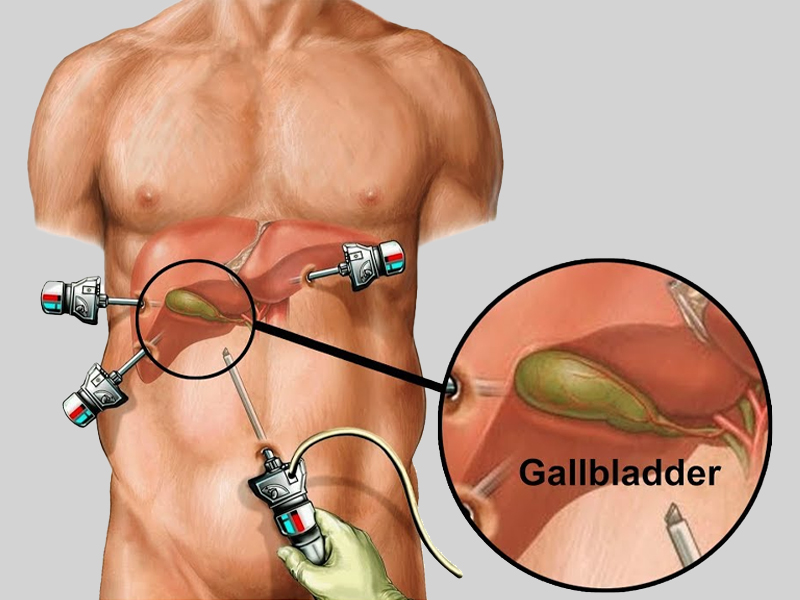
Gallbladder surgery, or cholecystectomy, is a procedure to remove the gallbladder, typically due to gallstones or inflammation. It's a common surgery, and the most common method is laparoscopic cholecystectomy, which uses small incisions and a laparoscope (a thin, lighted tube with a camera). Open cholecystectomy, involving a larger incision, may be necessary in certain cases.
Why is it done?
- Gallstones : Gallstones are hardened deposits that can form in the gallbladder, causing pain, inflammation, and potentially blocking bile flow.
- Other conditions : Inflammation of the gallbladder (cholecystitis), biliary dyskinesia, or gallbladder polyps can also necessitate surgery.
Laparoscopic vs Open Surgery
- Laparoscopic Surgery : Minimally invasive, with several small incisions, leading to faster recovery, less pain, and smaller scars.
- Open Surgery : Requires a larger incision, typically used when laparoscopic surgery isn't feasible or safe.
What to expect
- Before surgery : You'll have a consultation, assessment, and may need to fast.
- During surgery : General anesthesia is administered, and the gallbladder is removed using the chosen surgical method.
- After surgery : You may experience some pain, bloating, and changes in bowel habits. Recovery typically takes a week for laparoscopic surgery.
- Complications : While generally safe, complications can include infection, bleeding, or reactions to anesthesia.
Long-term effects
- Digestive changes : The liver will now send bile directly to the small intestine, and most people adjust well, though some may experience temporary digestive difficulties.
- Normal diet : Most people can return to a normal, healthy diet after recovery.
In summary: Gallbladder surgery is a common and generally safe procedure to remove the gallbladder, often using a minimally invasive laparoscopic approach.